Period Pain Explained: 7 Medical And Home Options That Work Together For Relief
Health

Period Pain Explained: 7 Medical And Home Options That Work Together For Relief

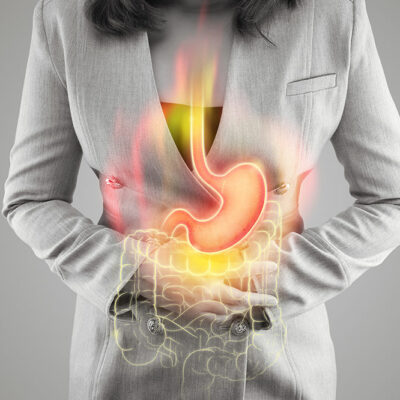
Period pain, also known as dysmenorrhea, is a common experience for many people during their menstrual cycle. It can range from mild discomfort to debilitating pain that interferes with daily activities. Fortunately, there are various options available to alleviate this discomfort. Whether it’s reaching for a pain killer for periods like Advil or Excedrin, or exploring natural remedies, finding the right combination can make all the difference. Let’s delve into seven effective strategies that can help bring relief. 1. Over-the-counter pain relief When it comes to managing period pain, over-the-counter pain relievers are often the first line of defense. Medications like Advil and Excedrin can be effective in reducing inflammation and alleviating pain. These nonsteroidal anti-inflammatory drugs (NSAIDs) work by blocking the production of prostaglandins, chemicals in the body that trigger pain and inflammation. For best results, it’s recommended to take these medications at the onset of period pain. 2. Heat therapy Applying heat to the lower abdomen can provide soothing relief from menstrual cramps. A heating pad, warm towel, or hot water bottle can help relax the muscles of the uterus, reducing the intensity of cramps. Heat therapy is a simple and non-invasive method that can be used in conjunction with other treatments.
Read More
4 Benefits That are not Covered by Medicare:
Health

4 Benefits That are not Covered by Medicare:

Medicare is a government-run health insurance program that provides coverage for Americans who are 65 and older or have a disability. While Medicare covers a lot of medical expenses, there are certain things that it doesn’t cover—like cosmetic procedures, outpatient prescription drugs, and many new treatments and alternative treatments for chronic conditions, like cancer. Many policyholders choose additional coverage from well-known providers like AARP, UnitedHealthcare, Humana, Cigna, Aetna, Blue Cross Blue Shield, Kaiser Permanente, and Mutual of Omaha to fill the gaps left by standard health plans. Secondary or dual insurance — where one plan acts as primary and another provides backup coverage — can help reduce out-of-pocket costs such as deductibles, co-pays, and services not included in the main plan. These supplemental options often extend to benefits like dental, vision, hearing, and long-term care, offering added financial protection and peace of mind when unexpected expenses arise. Even with these added protections, it’s essential to understand exactly what Medicare itself doesn’t include to avoid costly surprises later. Here are things that Medicare doesn’t cover: 1. Cosmetic surgery In the case of accidental injury or a surgery being required after a former treatment—breast reconstruction after a mastectomy, for instance—medicare will cover the costs of the procedure.
Read More